

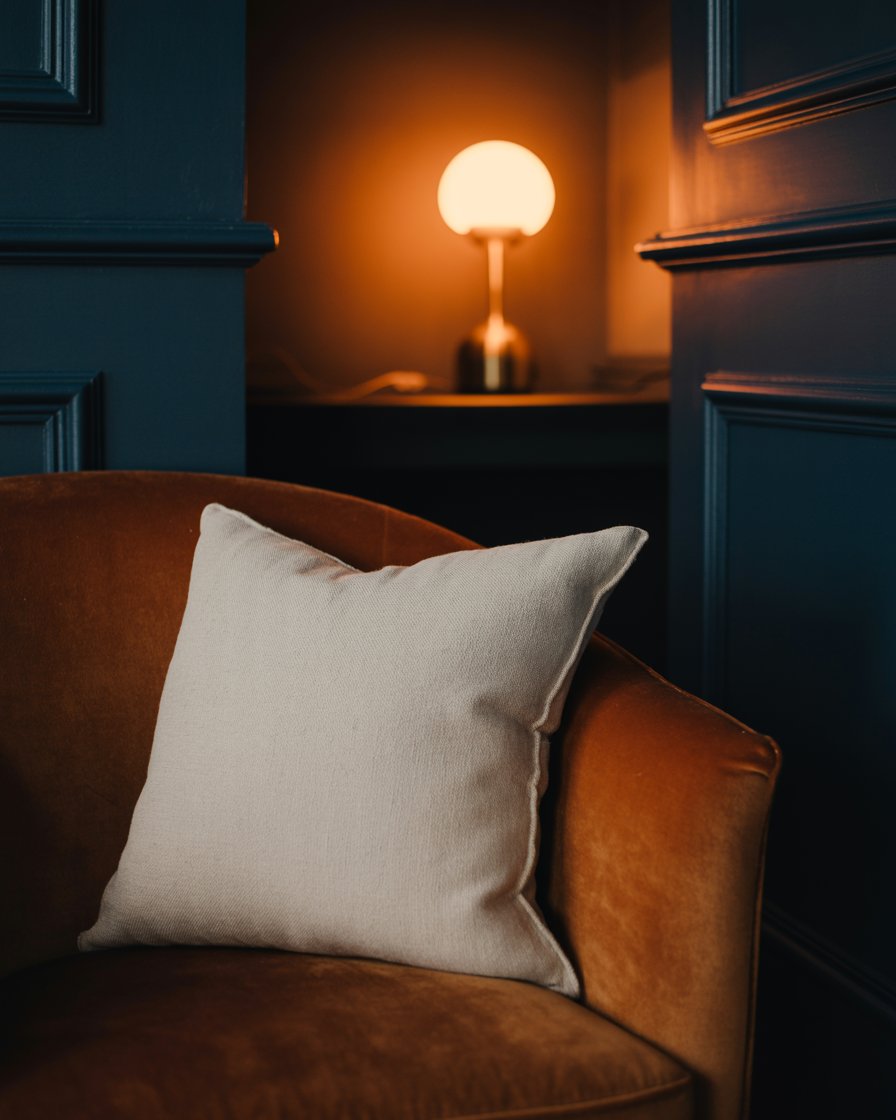
Your Home Is Either
Healing You
or Quietly Keeping
You Stressed
What no one tells you about cortisol, your environment, and the rest your body has been searching for

There was nothing obviously wrong with her life.
She was functioning. Showing up. Holding everything together the way she always had. And yet — she was tired in a way sleep didn't fix. Restless in a way she couldn't explain. Constantly on, even when nothing was actually happening.
She tried better discipline. A stricter routine. More motivation. She kept waiting for the version of herself who had it all together to finally arrive. But none of it touched the real thing. Because the problem wasn't her effort.
If you've been feeling off and can't quite explain why — this is usually the missing piece.
Science
Your Environment Is Never Neutral
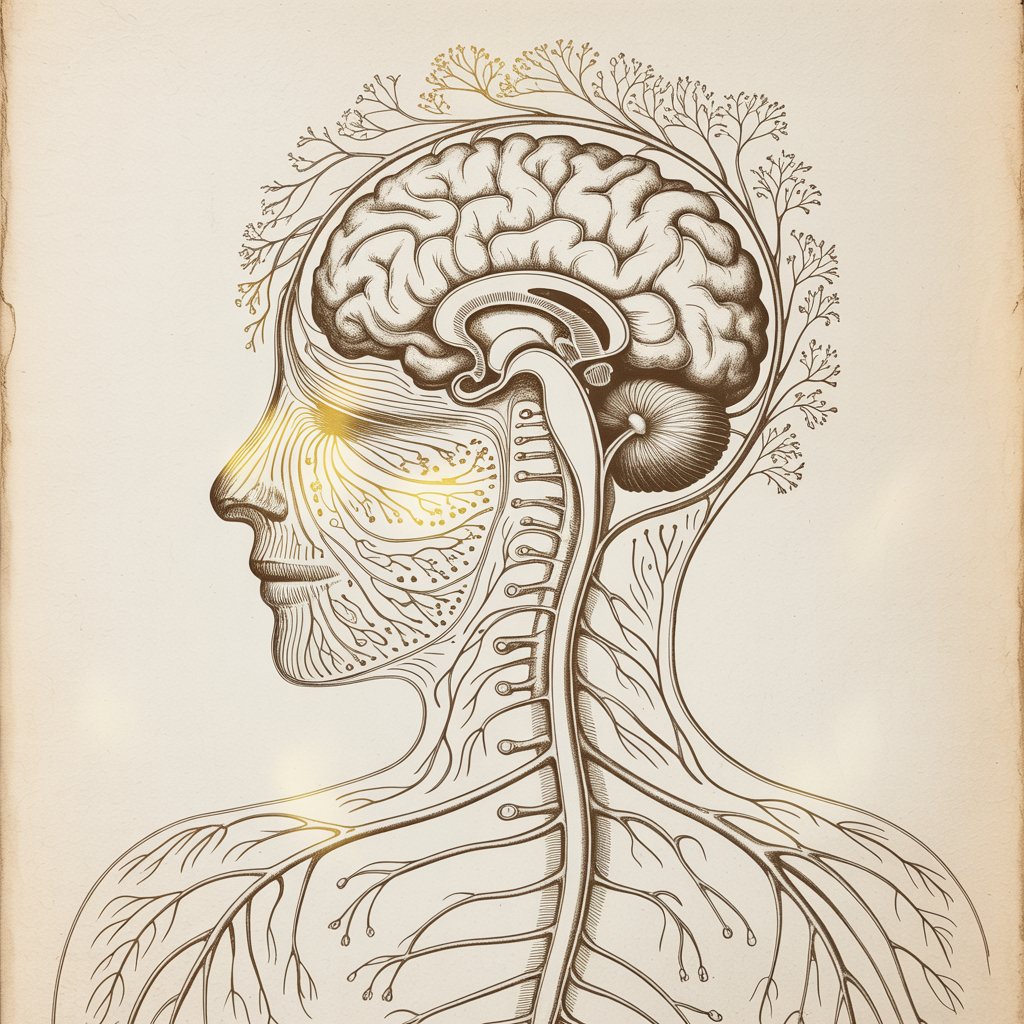
No one tells you this — but every room you walk into is doing something to your body. The lighting. The clutter. The textures. The visual noise on your walls. Your nervous system is reading all of it, constantly — deciding whether it is safe to soften, or whether it needs to stay alert.
When your environment feels overstimulating or cluttered, your body stays in a quiet stress response — shallow breathing, tight shoulders, restless sleep, a mental hum that never turns off. She wasn't broken. Her space was keeping her in survival mode.
Six Shifts That Changed Everything
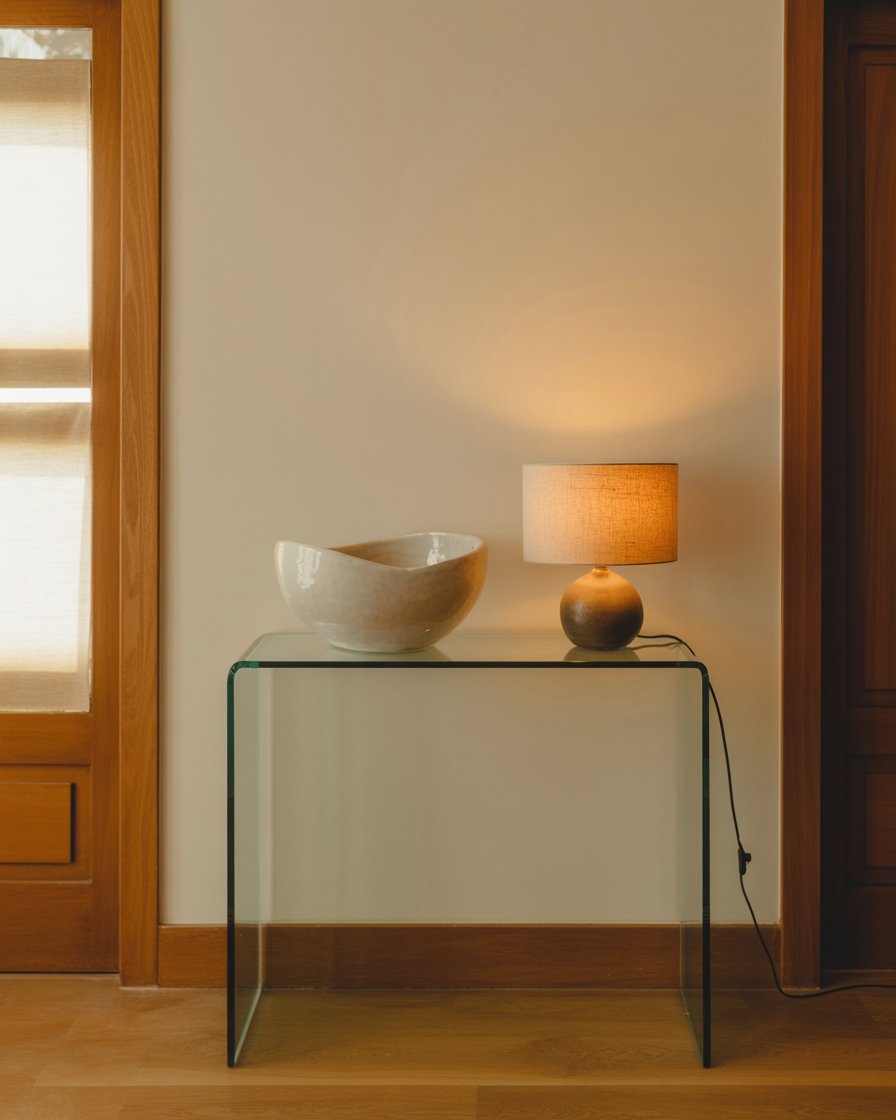
Her entryway used to be a shock — the jarring threshold between the world and her home. She made it a transition instead. A clear surface. A warm lamp. A scent that greeted her like an exhale. Her body no longer walked into tension. It walked into release.
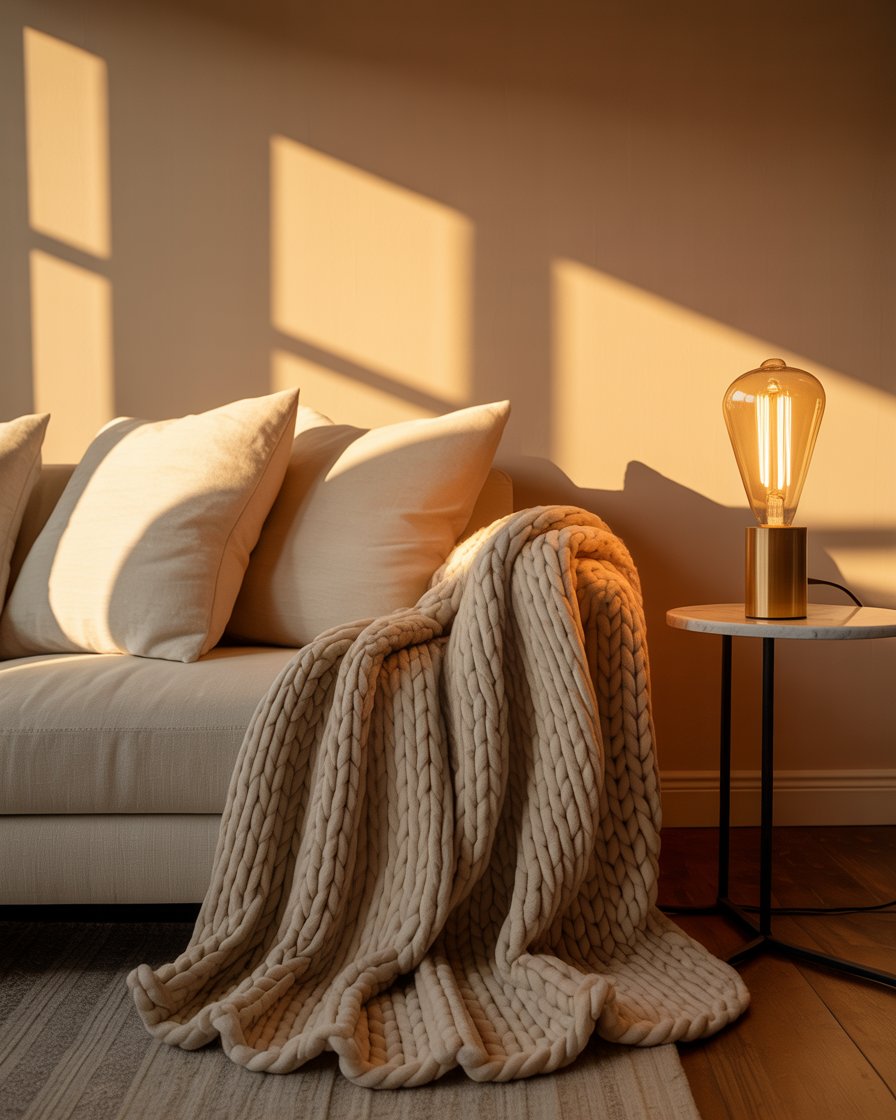
She stopped forcing rest and started designing for it. Linen cushions. Soft throws. Warm lighting. Space between objects. She didn't change how she spent her evenings — she changed what her evenings felt like. Her nervous system stopped bracing the moment she walked in.
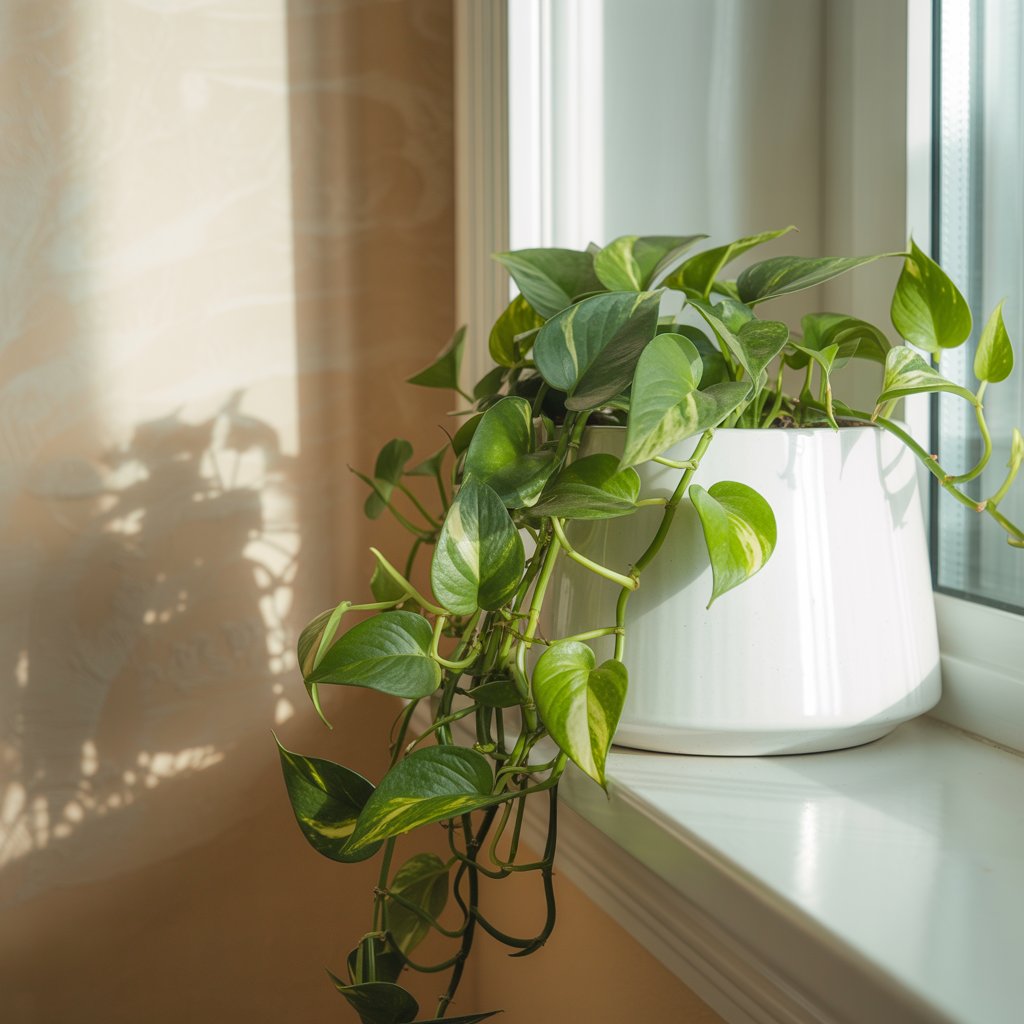
A simple pothos on the windowsill. Something growing. Something breathing. Research consistently shows that living plants lower cortisol and reduce perceived stress — but more than the science, there is something about tending to life that softens you. She softened too.
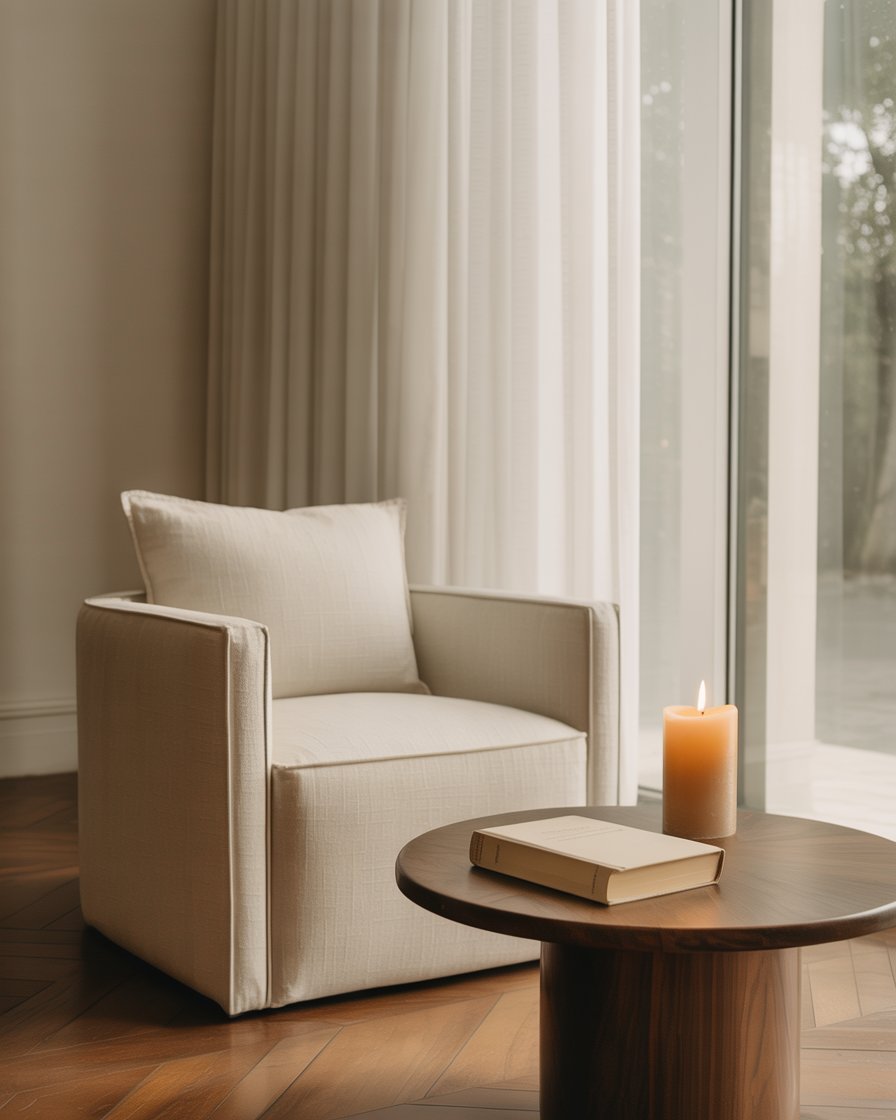
Even a single chair by a window became sacred. A place where she didn't have to perform, produce, or be available. A place that existed only for her to be. This is not a luxury. For a nervous system that has been on alert, it is a necessity.
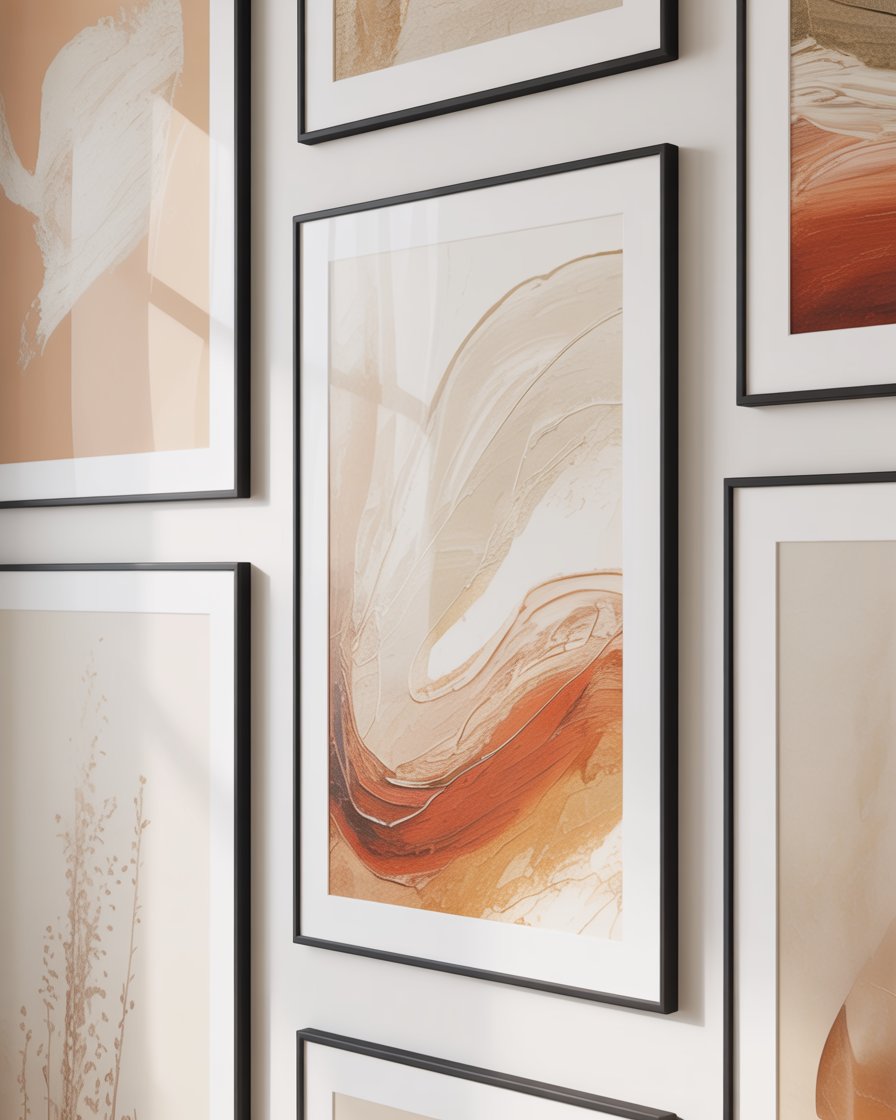
Her walls used to be filled — but not intentional. Now they speak differently. Neutral abstract art. Soft textures. Pieces that feel expansive, not overwhelming. Every single day, without you noticing, your environment is shaping your inner world. She decided what she wanted to be shaped by.
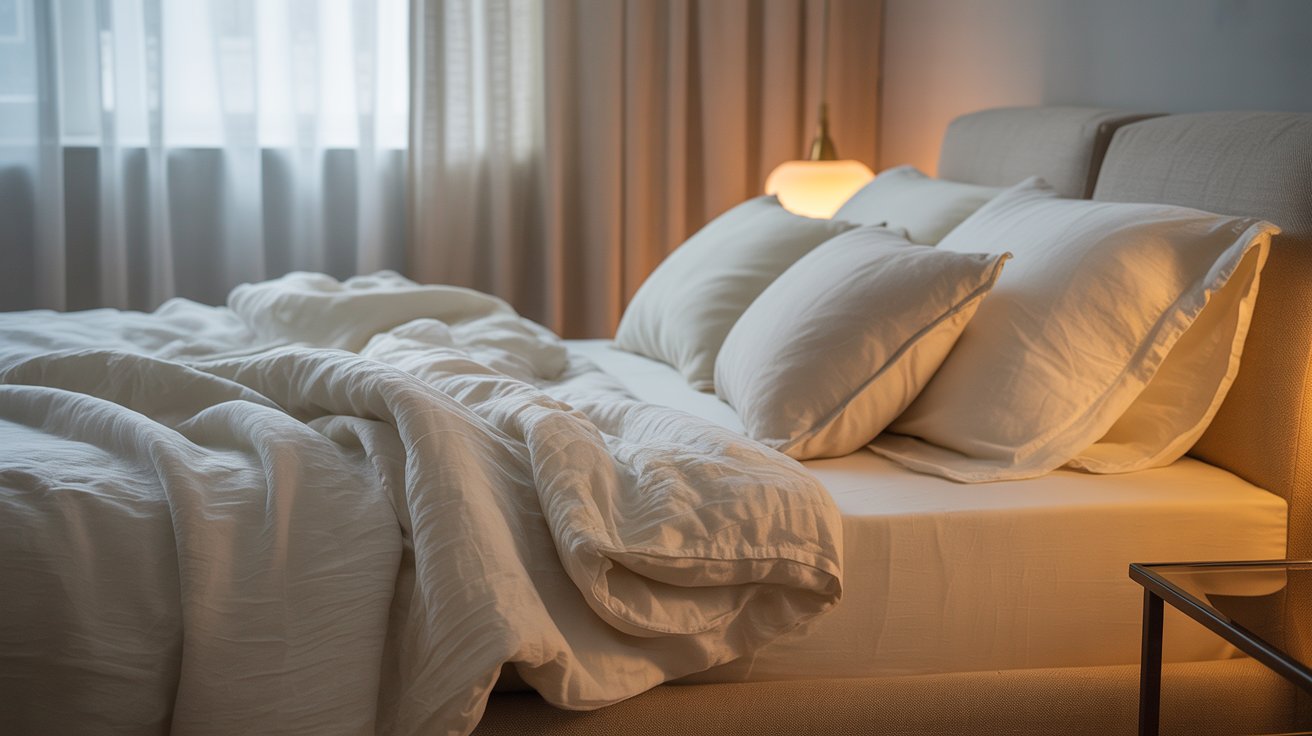
This was the part she had been neglecting most. She was sleeping — but she wasn't restoring. So she changed it. Gently. Soft linen bedding that invited her in. Warm bedside lighting. A clear surface. No visual noise before sleep. She let the room say: you can let go now. And her body responded — deeper sleep, slower mornings, less tension carried into the day.

What Changes After This

The Sacred Space Reset Guide
| ✓ | Room-by-room reset guidance — from entryway to bedroom |
| ✓ | Exact environmental shifts that reduce overstimulation |
| ✓ | Simple changes you can implement in under a day |
| ✓ | Curated product pairings for every shift |
| ✓ | The cortisol-calm framework — how to read your space the way your body does |
The Sacred Space Reset Guide walks you through each shift — room by room — so you can begin this week, not someday.
Step Into a Space That Finally Supports You →Introductory price available for a limited time

Become the Version of You Who Finally Feels Calm Again
Begin the Sacred Space Reset →
Sometimes the reset goes deeper than your home. Sometimes you need distance, silence, and a space designed entirely for restoration — where everything around you is built to help your body slow down.

You need to change
what's shaping it.
The version of you who feels
calm, clear, and rested —
she isn't far away.
She just hasn't been supported yet.